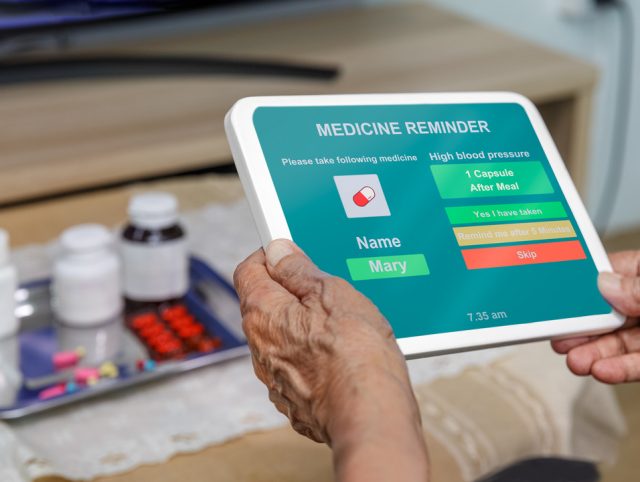
Advancements in technology offer older adults an opportunity to stay connected, informed, and independent by developing digital proficiency. However, many may feel overwhelmed by the rapid pace of change or have concerns about privacy and security. The first step in helping older adults navigate the digital world is to assess their current comfort level with technology and address any fears they might have.
Customised Learning Approaches
Understanding their needs, whether it’s learning to use a smartphone, accessing online services, or communicating with family, can help ensure that the support provided is relevant and meaningful. Instruction should be tailored to the learner’s needs. Clear, step-by-step guidance is vital, but it is equally important to respect their learning pace without oversimplifying the material. Avoiding technical jargon while focusing on practical, real-life applications can help them engage more effectively with technology. Whether it’s setting up an email account, navigating online health services, or video calling family members, these tasks should be explained in a way that empowers learners rather than overwhelming them. Older adults should be encouraged to explore technology at their own speed, with plenty of time to practice and revisit steps when needed.
Accessible Technology Designed for Older Adults
One key to improving digital proficiency is ensuring that the technology itself is accessible. Devices specifically designed for older users—featuring larger icons, simplified interfaces, and voice commands—can make a significant difference. These features help those with visual, auditory, or mobility impairments interact with technology more easily. For instance, smartphones that offer text magnification, high contrast displays, and screen readers make digital navigation far more manageable. Software can be optimised for ease of use. Simplified apps with intuitive design and minimal complexity can help older adults feel more comfortable using digital tools. Introducing them to devices with built-in accessibility options ensures they can maintain their independence while staying connected to important services.
The Importance and Benefits of Digital Proficiency
Making sure older adults gain digital proficiency is essential in today’s world, as it can significantly enhance their quality of life. One of the primary benefits is staying connected to family and friends. Digital tools such as video calls, messaging apps, and social media platforms help overcome isolation, which can be particularly beneficial for those living far from loved ones or with limited mobility. Access to healthcare services is another needed advantage. Telehealth options, online prescription management, and medical information portals make it easier for older adults to manage their health. In emergencies or routine care, these digital tools can provide timely support and information. Everyday tasks such as online banking, shopping, and accessing public services are increasingly done digitally. By mastering these skills, older adults can handle their affairs more efficiently, gaining greater autonomy.
Perhaps most importantly, promoting digital proficiency helps older adults feel empowered in a modern world. At Digitals for Health, we can design technology solutions that are intuitive, accessible, and tailored to the unique needs of older adults. Our service design approach focuses mainly on creating user-friendly experiences.