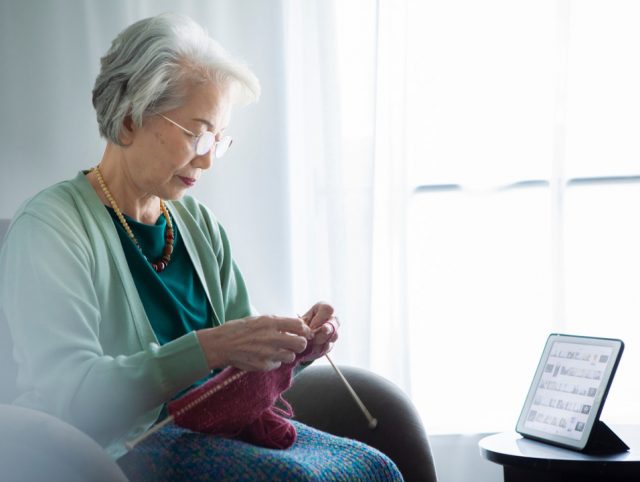
Technology is becoming a vital resource for supporting older adults with dementia, offering tools and applications designed to improve the quality of their lives. As the symptoms are getting worse, they often need to face challenges like memory loss, confusion, and difficulty managing daily activities. Technology can help mitigate these issues by providing consistent support tailored to the needs of those with cognitive impairments.
Technology for Older Adults with Dementia Making a Difference – Memory Aids and Task Management
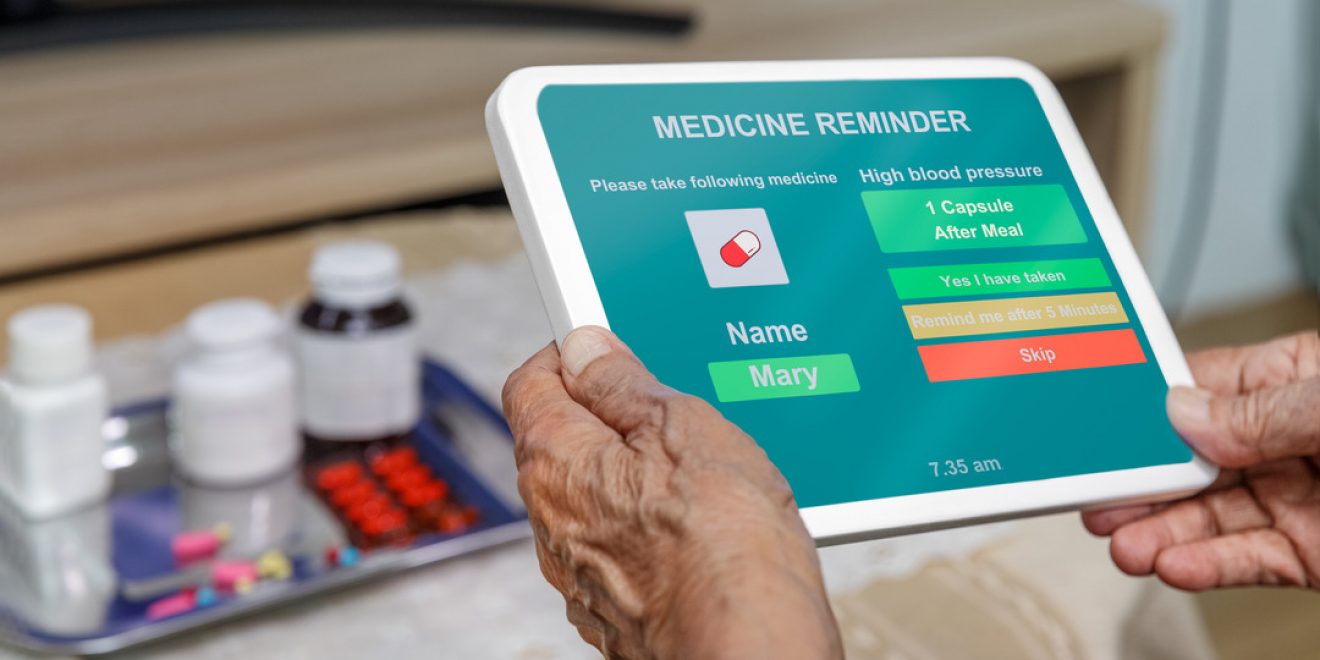
One of the most significant contributions of technology for older adults with dementia is the development of memory support tools. Apps specifically designed for dementia care provide users with reminders for important daily tasks such as taking medication, eating meals, and attending appointments. These tools can be set up to give timely notifications. This can help in reducing the need to rely on memory alone and alleviating stress for both the person and their caregivers. Some memory support apps break down tasks into simple, easy-to-follow steps, making it easier for users to navigate their daily routines without confusion. For example, an app might guide an individual through the process of preparing a meal or dressing for the day. It’s important to offer instructions at each stage. By simplifying everyday tasks, these tools promote a sense of accomplishment and independence. These are vital for the emotional well-being of individuals with dementia.
Real-Time Monitoring for Improved Safety
Safety is a primary concern for caregivers of older adults with dementia. Technology has introduced solutions that provide reassurance through real-time monitoring. Wearable devices, home sensors, and GPS tracking tools are designed to monitor their movements and activities, alerting caregivers when unusual patterns occur. For example, if a person wanders outside a pre-defined safe zone or misses a medication dose, the caregiver will receive an immediate notification. That allows them to intervene before potential harm occurs. The monitoring tools not only safeguard older adults from accidents but also offer peace of mind to their families, knowing their loved ones are being watched over, even from a distance. Some devices also include emergency call functions, which allow to request help in case of urgent situations.
Social Connection and Communication Tools
Maintaining social connections is essential for older adults, particularly those experiencing dementia. However, this mental condition can make it challenging for individuals to stay in touch with family and friends. Technology has stepped in to fill this gap with communication tools designed to facilitate social interaction. Simple-to-use video calling apps, messaging platforms, and virtual meeting spaces are now available, making it easier to connect with loved ones. These communication tools can also send reminders to users, encouraging them to reach out and maintain relationships. For people who may struggle to initiate contact, such apps provide an essential link to the outside world. The main goal is to reduce feelings of isolation and loneliness. In many cases, these platforms allow caregivers and family members to check in remotely. This way they can ensure that their loved ones remain socially engaged and emotionally supported. Regular interaction can have positive effects cognitive function.
Adaptive Technology for Changing Needs
As dementia symptoms progress, the needs of older adults can change significantly. Technology for older adults with dementia must be adaptable to ensure continued effectiveness as those needs evolve. Many modern apps and devices come equipped with customisable features that allow caregivers to modify settings based on the user’s condition. Whether it’s increasing the frequency of reminders, adding new safety protocols, or adjusting communication methods, these solutions are designed to grow and change with the individual, offering relevant support at every stage. By adapting to the specific and changing needs of the user, these solutions ensure that the individual receives the right level of care at the right time.
At Digitals for Health, we are committed to developing technology that improves the quality of life. Our product development services focus on creating effective, adaptable solutions that meet the evolving needs of users.