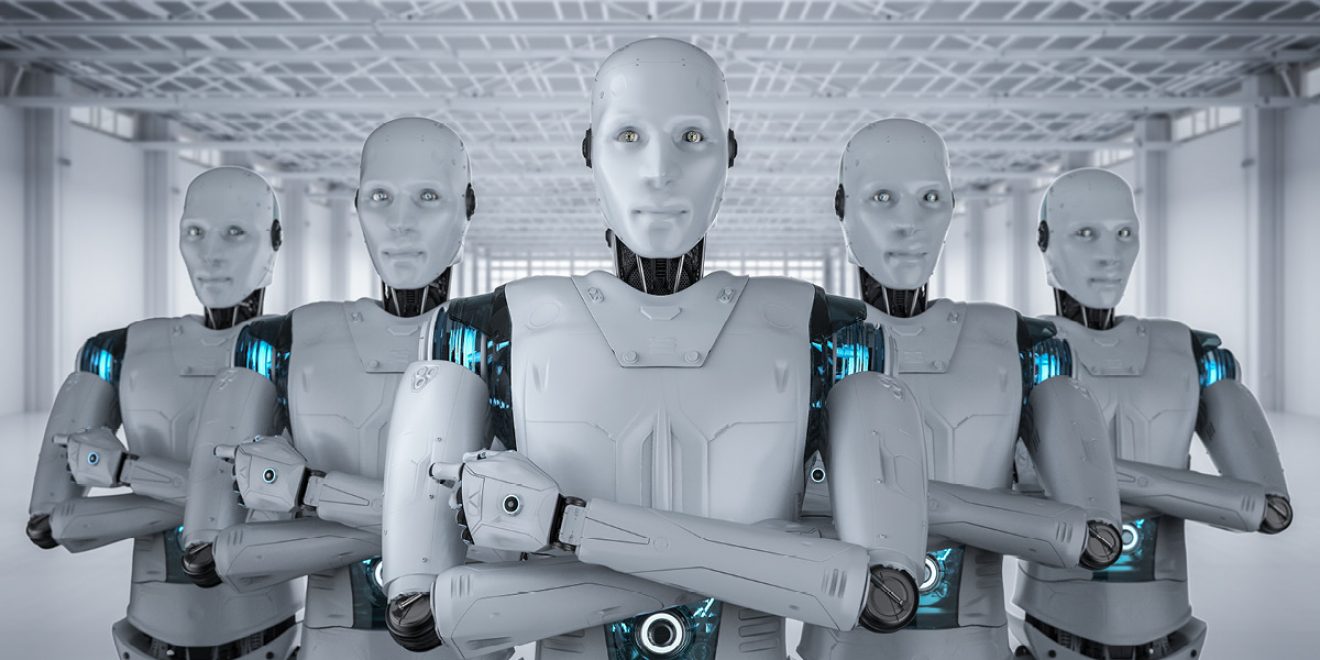
While there has been significant progress in the application of AI and robotics in healthcare, it is still unlikely that robots will fully replace doctors anytime soon.
Indeed, as the field of AI and robotics has advanced, there has been growing evidence that these technologies can perform certain tasks as effectively, if not better, than humans. For example, a 2017 study from the Massachusetts General Hospital and MIT demonstrated that an AI system could read mammograms for high-risk cancer lesions as well as or better than radiologists [1]. Moreover, robots like the da Vinci Surgical System have demonstrated a significant level of precision in surgical procedures, particularly minimally invasive surgeries, performing beyond the limits of the human hand [2].
Hospitals like Singapore’s Changi General Hospital are also integrating robots into their staff to perform a variety of tasks, including surgery, administrative work, cleaning, and patient care. The aim is to make healthcare more accessible, affordable, and safer, particularly in pandemic situations and amidst a global shortage of health workers [3].
However, despite these advancements, there are still significant limitations to the use of AI and robots in healthcare that prevent them from fully replacing doctors. AI is only as good as the humans programming it, and it’s dependent on data. If the data are flawed or biased, this can lead to poor or unfair healthcare outcomes [1].
Furthermore, while robots can perform certain tasks with great precision, there are still many aspects of medicine that require human judgment, empathy, and the ability to understand and respond to complex human behaviors and situations. No AI or robotic system has yet been able to replicate these human traits. For instance, the Da Vinci surgical robot, while remarkably precise, still requires a trained surgeon to control and monitor its actions [2].
Therefore, while AI and robotics are increasingly becoming integral components of healthcare, they are more likely to augment and assist human doctors rather than replace them, at least in the foreseeable future. They can take over repetitive, mundane, and physically demanding tasks, leaving doctors with more time to focus on tasks that require human skills such as diagnosis, decision-making, and empathetic patient care.