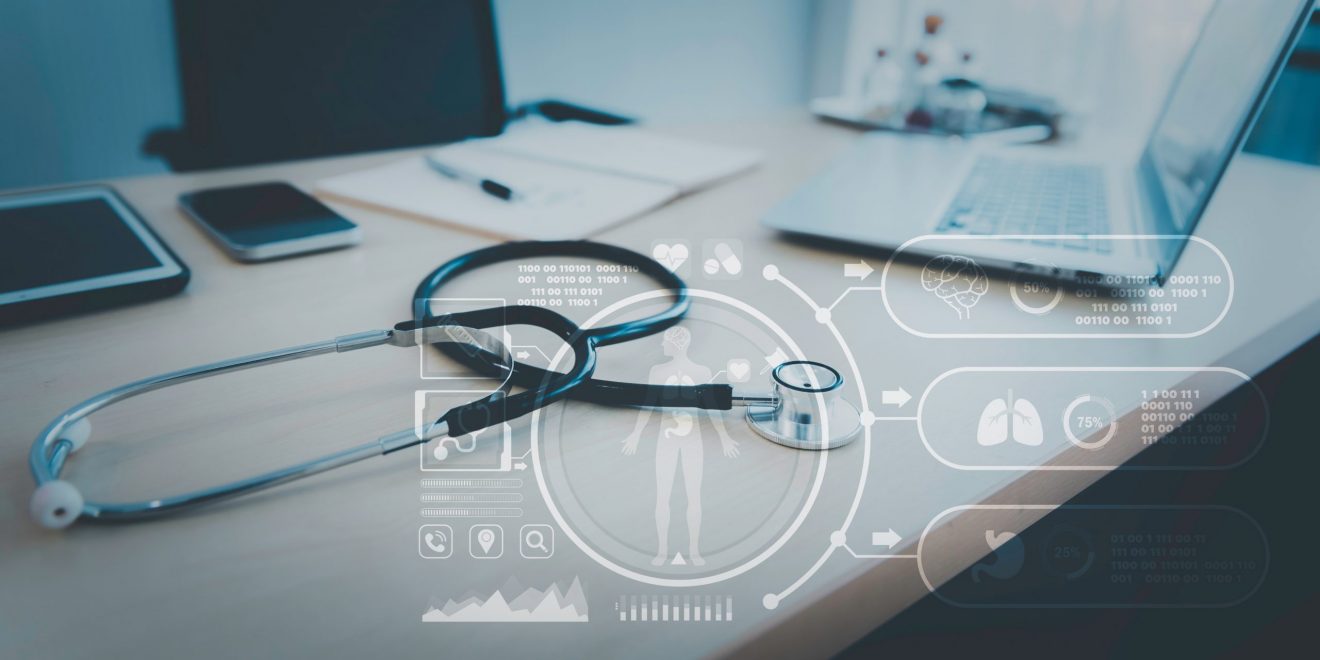
The integration of Agile development methodologies has ushered in a transformative era in the design, development, and implementation of software applications within the healthcare industry. This iterative and gradual approach has not only revolutionised traditional software development practices but also provided a dynamic framework capable of adapting to the rapid changes. It is time to delve into the multifaceted impact of Agile development on healthcare software and explore how its principles shape the creation of advanced solutions.
Embracing Agile Development in Healthcare
Agile development centres around the progressive delivery of software in incremental stages. In the healthcare context, this methodology facilitates the different phases of development and deployment, allowing for continuous improvement based on invaluable feedback from healthcare professionals and end-users. This ongoing process guarantees its alignment with the constantly evolving requirements of the healthcare environment.
Responding to Real-World Feedback
The incorporation of regular feedback loops is fundamental to the Agile process. This not only identifies potential issues but also drives continuous improvements. In healthcare, the ability to adapt based on real-world feedback is particularly crucial for enhancing patient care, improving operational efficiency, and meeting the evolving demands of the industry. The incorporation of regular feedback loops is fundamental. Agile methodologies empower healthcare software teams to refine and enhance their solutions continuously. This commitment to ongoing improvement elevates the quality of the software and ensures its relevance.
Navigating Healthcare’s Rapid Changes with Agile Development Flexibility
The healthcare industry is characterised by rapid changes in regulations, technological advancements, and best practices. Agile development provides the flexibility needed to navigate these changes smoothly. Development teams can promptly adapt to new requirements, ensuring that the software remains compliant with evolving industry standards. Agile methodologies empower development teams to respond swiftly to changes in regulations, ensuring that the software complies with current standards and also anticipates future regulatory shifts.
Cross-Functional Collaboration for Holistic Solutions
Agile methodologies promote the formation of cross-functional teams that bring together diverse expertise. This collaboration extends beyond software developers to include healthcare professionals, regulatory experts, quality assurance specialists, and other stakeholders. This holistic approach to solution development ensures that the software addresses both technological and clinical needs. It results in comprehensive and effective healthcare solutions.
Safeguarding Patient Data in a Dynamic Regulatory Environment
In an era where data breaches and privacy concerns loom large, Agile methodologies play a pivotal role in ensuring the security of healthcare software. By integrating compliance and security considerations into the development process, teams can proactively address vulnerabilities and implement robust safeguards. That can help protect patient data and maintain the trust of healthcare stakeholders.
Mindset of Change, Collaboration, and Continuous Improvement
Agile methodologies contribute to the cultivation of a culture of innovation within healthcare software development teams. By fostering an environment that encourages experimentation, collaboration, and constant learning, Agile practices empower teams to push the boundaries of what is possible. It results in solutions that are not only technologically advanced but also attuned to the dynamic needs of healthcare.
Curious about how we seamlessly integrate Agile methodologies into our product development? Elevate your healthcare solutions with us.